Mattresses represent a foundational element of sleep quality, combining support, pressure relief, and temperature regulation. This category explains how different mattress constructions—such as latex, memory foam, and innerspring—interact with body weight and sleeping positions to influence spinal alignment and comfort throughout the night. Key features to consider include firmness level, motion isolation, and breathability for long-term usability.
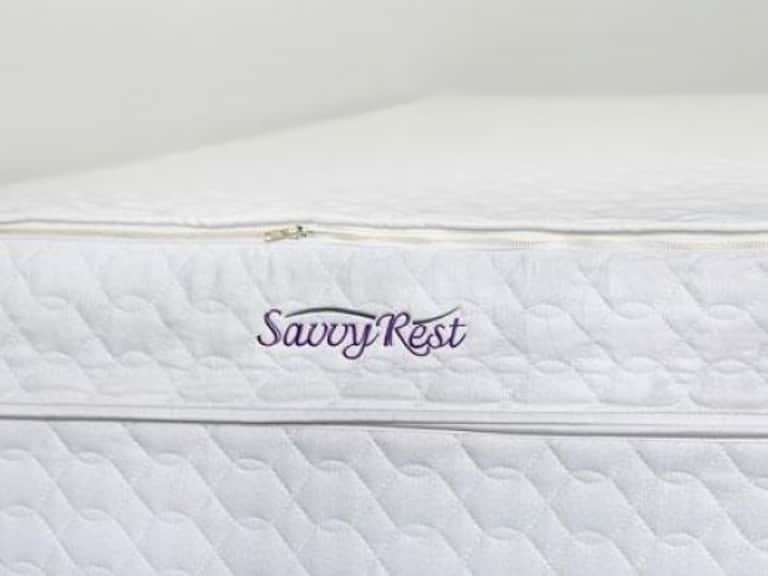
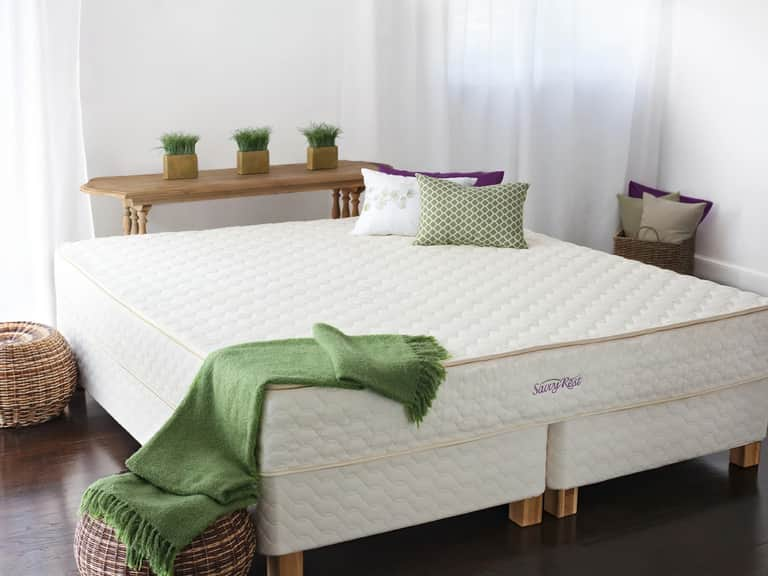
Latex mattresses, including the Savvy Rest Tranquility Latex Mattress, are known for resilience and a buoyant feel that supports natural spinal curvature. They typically offer durable performance, responsive contouring, and good airflow, which helps regulate temperature. Understanding core materials and density can guide selection based on sleep style and comfort preferences.
Foam and hybrid designs balance contouring support with pressure relief, making them suitable for varied sleepers. The Sognante Comfort Firm Mattress demonstrates how firmness alongside targeted zoning can address midsection support and reduce pressure points. Evaluating transition layers, base cores, and edge support reveals how a mattress maintains shape under daily use.
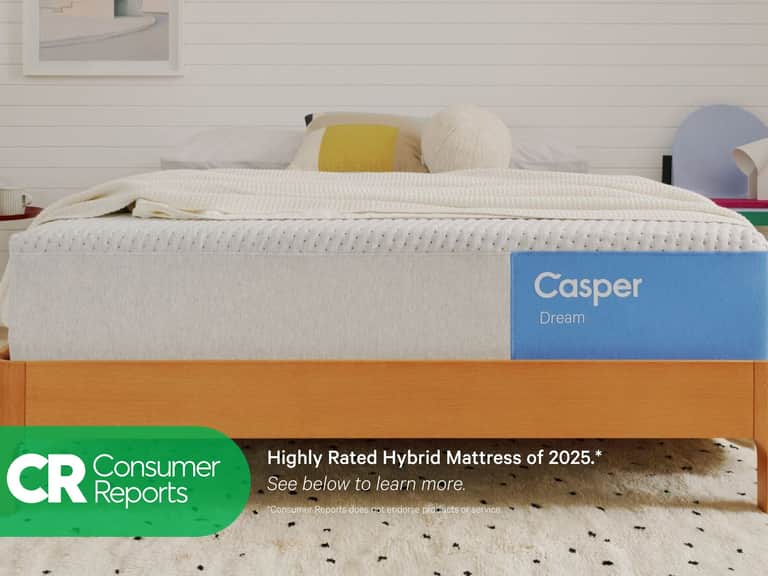
Cover construction and climate features, such as breathable fabrics or cooling technologies like QuickCool™, affect sleep comfort by promoting heat dispersion and dryness. When assessing options like the Dream with QuickCool™ Cover, consider surface feel, temperature neutrality, and ease of care, as these influence long-term satisfaction and hygiene in bedding systems.
Overall mattress selection benefits from aligning product characteristics with personal factors: sleep position, weight range, preferred firmness, and any sensitivities to materials. Understanding how down, wool, or synthetic fillings in surrounding bedding interact with mattress surfaces helps optimize comfort, durability, and functional benefits across diverse sleeping environments.
 Mattresses