Bedding care
Keeping Wool Comforters Fresh: Airing, Spot Cleaning, and Washing
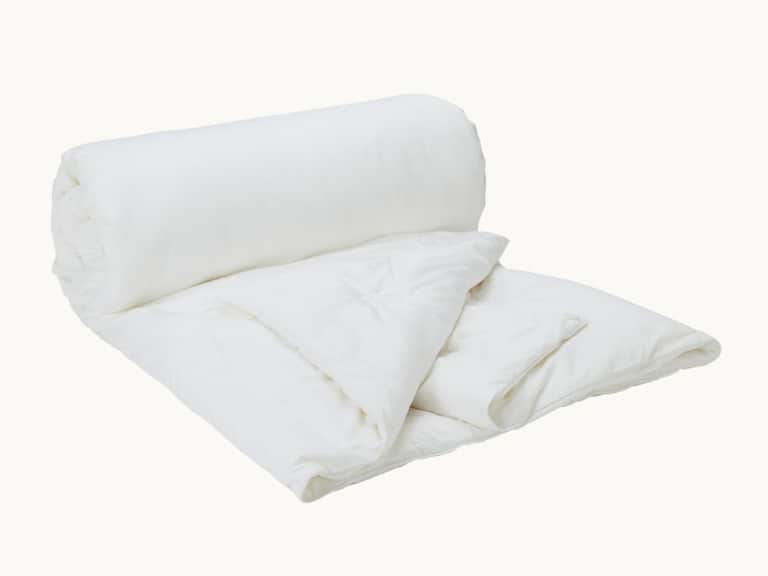
A wool comforter is a quiet piece of engineering: a breathable shell holding a springy layer of fiber that helps retain warmth while managing moisture. Keeping it fresh usually calls for less intervention than a sheet or duvet cover. Regular airing, a protective cover, and prompt attention to small spills can often do more than frequent washing.
Wool has traveled from pasture to household bedding for generations, valued for its resilience and ability to hold insulating air. Inside a comforter, those fibers are arranged and stitched into a layer meant to stay evenly spread. That construction is part of what makes the comforter comfortable—and one reason care deserves a little thought. A cycle of vigorous washing, high heat, or rough handling can cause wool to shrink, felt, clump, or shift. Damage is not inevitable, but prevention is simpler than repair.
The right routine depends on the particular comforter. Some are explicitly designed to be machine washable; others are labeled spot-clean only or require professional laundering. Fiber blends, quilting, shell fabric, and construction all matter. The care label and manufacturer’s instructions should therefore guide every decision, especially before washing or applying heat.
This guide explains how to air wool bedding, handle localized marks cautiously, and decide when laundering is appropriate. The aim is not to make a comforter smell strongly of detergent or feel newly packaged. It is to keep the bedding clean, dry, and comfortable while protecting its fill over time.
Why wool comforters need a considered routine
Wool fibers have a naturally crimped structure. In a comforter, that structure helps create loft—the small spaces that hold still air and contribute to insulation. The fibers also interact with moisture, taking up some water vapor before the bedding feels damp. These characteristics can help make wool a useful material across changing conditions, but they do not make a comforter immune to spills, body oils, dust, or poor drying.
Water and agitation can alter wool’s structure. When fibers are exposed to moisture, heat, and friction together, they may tangle and tighten. This process, often called felting, can leave the comforter denser or less even. A shell may also shrink or wrinkle, while batting can bunch if the quilting or seams are stressed. The precise risk varies with the fiber, construction, and care instructions, so a general rule such as “wool can never be washed” is too broad. Equally, assuming every wool comforter is safe in a home washer is unwise.
Freshness is not the same as fragrance. A clean, aired comforter should not need perfume, room spray, or a heavy scent treatment. Such products can leave residues, irritate sensitive sleepers, or mask a problem that needs proper cleaning. A practical approach focuses on keeping the bedding dry, limiting soil, and responding to stains before they spread.
Start with the care label
Before doing anything beyond ordinary airing, check the sewn-in label and any care guidance supplied with the comforter. Look for clear instructions about washing, water temperature, detergent, spin cycles, drying, and professional cleaning. If the label is missing or unclear, consult the maker before using a washing machine or dryer. A comforter is bulky, and an apparently simple wash can put both the textile and the appliance under strain.
Pay attention to the difference between terms such as “spot clean,” “hand wash,” and “machine wash.” They are not interchangeable. A comforter labeled spot-clean only should not be submerged simply because the outer fabric looks sturdy. A washable wool blend may have a different care allowance from a comforter filled with untreated wool batting. Even products that can be machine washed may require a cool, gentle cycle, a specialized detergent, or a particular drying method.
- Read the complete label, including any symbols or limits on heat.
- Check whether the instructions apply to the full comforter or only its removable cover.
- Confirm whether the fill is wool, a wool blend, or a different fiber.
- When instructions conflict, ask the manufacturer or a textile-care professional before proceeding.
Keep the label easy to find. If it is likely to be covered by a duvet cover, make a note of the care instructions somewhere accessible. This small step can prevent guesswork later, when a spill or seasonal clean-up creates pressure to act quickly.
Air it out gently
Routine airing is a low-effort way to release trapped humidity and help bedding feel fresher between deeper cleans. In the morning, fold the duvet cover back or remove it if convenient, allowing the comforter to breathe while the bed is unmade. This gives moisture from the night a chance to dissipate rather than remain enclosed beneath layers of fabric.
For a more thorough airing, drape the comforter over a clean, sturdy rail or a broad clothesline, following any maker’s advice. Choose a dry, well-ventilated place. Make sure the weight is supported across a wide area so the fill is not pulled down into narrow folds. Turn the comforter once if needed, and bring it indoors when it is dry and refreshed.
Sunlight is sometimes recommended for airing wool bedding, but strong, prolonged direct sun can fade or weaken textile colors and may heat the comforter unevenly. Unless the care instructions specifically recommend sunning, choose shade or indirect light with good airflow. Avoid damp outdoor air, rain, and days when pollen or dust is heavy. Airing should help the comforter dry, not expose it to new moisture or debris.
There is no universal schedule. A brief airing when the bed is being changed, or after a night when the room feels humid, is often enough. A comforter that is dry, clean, and odor-free does not need to be hung outside on a strict calendar. If it has a persistent musty smell, investigate the cause: damp storage, a wet mattress, or poor room ventilation may be the real issue.
Use a duvet cover as the first line of defense
A removable duvet cover takes much of the everyday wear. It catches skin oils, dust, and ordinary spills, and it can usually be washed more easily than the filled comforter. The cover does not make the insert maintenance-free, but it reduces how often the wool itself needs attention.
Wash the cover according to its own care label, not the comforter’s. Cotton, linen, and other shell fabrics have different tolerances for temperature and drying. Before putting the cover back on, make sure it is completely dry. A damp cover can hold moisture against the insert and undermine the purpose of airing.
Corner ties or loops, when present, can help keep the comforter from sliding inside the cover. Fasten them gently rather than pulling hard on the fabric. A secure fit limits bunching during sleep and reduces the temptation to shake or tug the comforter forcefully each morning.
Spot-clean small marks with care
When a spill lands on the comforter itself, act promptly but resist the urge to scrub. First, check the care instructions. If spot cleaning is allowed, lift away excess liquid with a clean, absorbent cloth. Press gently; rubbing can spread the stain, roughen the shell, or work moisture deeper into the wool.
For a mark that remains, follow the manufacturer’s specific advice. If the instructions permit, use a small amount of mild detergent diluted in cool water, applying it to a clean cloth rather than pouring it directly onto the comforter. Test an inconspicuous area first to check for color change or damage. Dab from the outside edge of the mark toward its center, using as little moisture as practical.
Afterward, use another clean cloth lightly dampened with cool water to lift detergent residue if the care instructions allow. Blot with a dry towel, then lay or drape the comforter in a well-ventilated spot until the treated area is fully dry. Do not cover a damp patch, place it against a heater, or put the comforter back on the bed while moisture remains.
Avoid bleach, fabric softener, strong solvents, and stain removers unless the maker specifically approves them. Enzyme cleaners can be unsuitable for some fibers or finishes; household remedies such as vinegar or baking soda can also leave residue or affect the fabric. If the stain is large, oily, old, or strongly scented, professional advice is safer than escalating a home treatment.
- Blot, don’t rub: use light pressure to absorb liquid without spreading it.
- Use minimal moisture: soaking the filling can make drying difficult.
- Test first: try any permitted cleaning solution on a hidden area.
- Dry completely: lingering dampness can encourage musty odors.
When washing may be appropriate
Washing is not automatically wrong for wool, but it should never be assumed safe. Some washable wool comforters are designed for a careful home wash; others are not. If the label permits machine washing, follow every condition listed. That may include a cool or warm setting, a wool or delicate program, a particular detergent, and instructions to avoid agitation or spinning. Do not substitute a more forceful cycle because the comforter looks bulky or dirty.
Capacity is another concern. A comforter needs enough room to move without being crammed into the drum. An overloaded washer cannot clean or rinse evenly, and excessive weight can strain the appliance. If the comforter will not fit loosely, or if the care instructions call for commercial equipment, use an appropriate laundry service rather than forcing it into a household machine.
Hand washing also requires care. Submersion and lifting a waterlogged comforter can stretch seams and shift the fill. Follow the manufacturer’s method, including advice on temperature, detergent, and how to support the item as water drains. Never wring or twist wool bedding unless the label explicitly directs otherwise.
If the care label says professional laundering, or a stain is beyond simple spot treatment, contact a cleaner experienced with wool-filled bedding. Describe the fill and shell, and provide the care instructions. “Dry cleaning” and professional wet laundering are different processes; do not assume one is suitable because the other is mentioned. Ask what method will be used and whether the comforter can be fully dried before it is returned.
Drying is part of cleaning
For wool, getting the comforter fully dry is as important as washing it correctly. Damp fill can develop an unpleasant odor and may be difficult to restore. Follow the label’s directions precisely. If air drying is recommended, support the comforter broadly and turn it as needed so air can reach both sides. Avoid hanging it by one corner, which can stretch the shell and draw fill away from its intended position.
Do not use direct heat, a radiator, or a hot dryer setting unless the care instructions allow it. High heat can shrink or damage wool and shell fabrics. A comforter may feel dry on the outside while moisture remains in the filling, so check more than the surface before storing or covering it. If it still feels cool, heavy, or damp, allow more drying time.
When the comforter is dry, gently redistribute the fill with light smoothing. Avoid forceful beating, which can stress the quilting. If the fill remains in lumps or the comforter has changed shape, stop handling it and seek advice from the manufacturer or a professional cleaner.
Storage between seasons
Before putting a wool comforter away, make sure it is clean and completely dry. Store it in a breathable fabric bag or clean cotton cover in a cool, dry place. Plastic storage can trap humidity if moisture is present, so do not seal the comforter away while it is even slightly damp. Avoid compressing it for long periods under heavy objects; prolonged pressure can reduce loft.
When the weather turns and the comforter comes back into use, open the storage bag and air the bedding before making the bed. Check for mustiness, discoloration, or signs of moisture. If anything seems wrong, identify the cause and consult the care guidance rather than attempting to mask the smell with fragrance.
Good storage is part of wool comforter care, not a separate chore. A dry closet, breathable protection, and room around the comforter can help preserve its shape and make seasonal changes straightforward.
A simple maintenance rhythm
A reliable routine can be modest. Use a duvet cover, wash that cover as needed, and allow the insert to air when the bed is changed or the room has been humid. Deal with spills quickly using the least moisture possible. Check the care label before any deeper cleaning, and store the comforter only when it is thoroughly dry.
There is no need to wash wool bedding simply because a season has changed. If the comforter remains fresh and the maker recommends limited washing, airing and cover care may be all that is required. On the other hand, visible soil, a persistent odor, or contamination that cannot be handled safely with spot cleaning may call for professional help.
These habits protect more than the wool. They also reduce unnecessary water use and help a well-made comforter remain useful for longer. The best care is the care suited to the particular textile—not the most aggressive treatment available.
Frequently asked questions
How often should I air a wool comforter?
There is no fixed timetable. Briefly air it when changing the bed or after a humid night, and whenever it would benefit from fresh airflow. Follow the manufacturer’s guidance and avoid damp conditions or prolonged strong sun.
Can every wool comforter go in a washing machine?
No. Some are designed to be washable, while others require spot cleaning or professional laundering. Check the care label and manufacturer’s instructions before washing. Construction and fiber blends can change what is safe.
Can I use a dryer after washing?
Only if the care instructions allow it, and only with the temperature and cycle specified. Heat may shrink or damage wool. If air drying is required, support the comforter broadly and allow it to dry completely before covering or storing it.
What if the comforter smells musty?
Air it in a dry, ventilated place and inspect the bedding and storage area for dampness. If the odor persists, avoid masking it with sprays; consult the care label and consider a cleaner experienced with wool bedding.
Does a duvet cover eliminate the need to clean the insert?
No. A cover reduces everyday soil and is easier to wash, but the insert may still need airing or occasional care. Follow its own instructions and respond promptly to spills that penetrate the cover.