How to Choose the Right Comforter: A Practical Guide to Fill, Warmth, and Care
A buyer’s reference for selecting the ideal comforter based on fill type, warmth levels, and care needs. This guide helps readers compare down, wool, silk, and cotton-filled options without promoting specific products, while weaving in historical voices and timeless perspectives that illuminate our shared pursuit of comfort.
Introduction: The Comforter as a Climate Reader
The bed is a microclimate: a boundary where body, room, and fabric negotiate warmth. A comforter is not merely a blanket; it is a curated system of materials, loft, and shell that governs breathability, weight, and moisture management. In this guide, we unpack the essential components of a comforter—fill, warmth rating, and shell fabric—so you can align your choice with climate, season, and personal physiology.
The term “comforter” carries a promise of coziness, but the science behind that warmth is both ancient and evolving. From the humble spun fibers of early textile innovations to today’s certifications and eco-conscious fills, comforters reveal how humans have learned to sleep better through materials science, environmental ethics, and ergonomic design.
Key Fundamentals: What You’re Buying and Why It Matters
A comforter consists of three core parts: the fill, the shell or shell fabric, and the construction method. Each choice has implications for warmth, weight, temperature regulation, and care requirements.
- Fill types: Down, wool, silk, cotton, and synthetic fills each contribute distinct loft, weight, insulation, and moisture-wicking properties. Down offers high warmth-to-weight ratios; wool provides natural temperature regulation; silk and cotton fills deliver lightweight warmth with different tactile experiences; synthetic fills can offer affordable, hypoallergenic options with easier care.
- Warmth levels: Comforters are often described by seasonal weight or cloaking warmth (e.g., lightweight, all-season, winter weight). A key instinct is to map your room temperature, humidity, and typical sleeping temperature to the fill’s performance profile.
- Shell fabric and construction: The shell must be breathable yet durable. Cotton and cotton blends, often with sateen or percale weaves, can support a smooth, comfortable loft. Baffle-box construction, sewn-through channels, and corner ties influence fill distribution, loft, and movement inside a duvet cover.
- Care and longevity: Some fills require dry cleaning or spot cleaning; others are machine washable or designed for removal and air-drying. Consider how often you want to launder your bedding and the care you’re willing to commit to maintain loft and hygiene.
Fill Types With Practical Guidance
Below are practical considerations for four common fill types, each with distinctive characteristics and best-use scenarios.
Down and Alternatives: The Loft Advantage
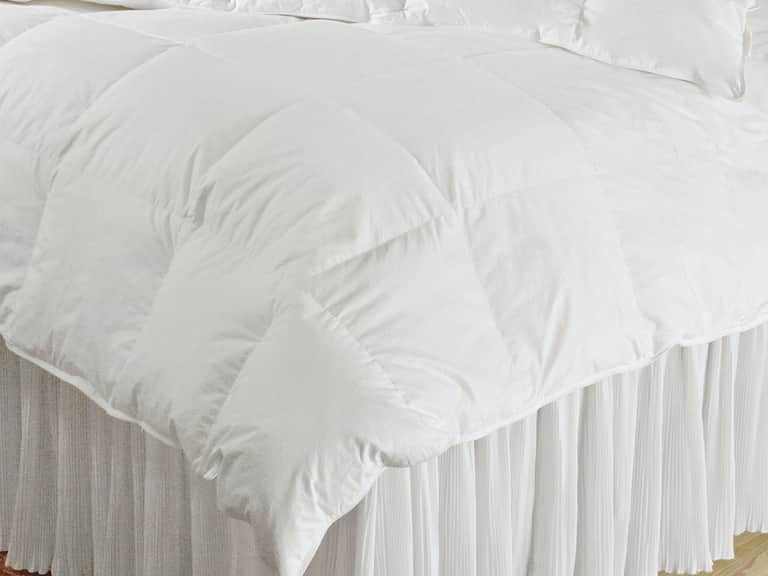
Down remains the gold standard for many sleepers seeking high loft without bulk. A high fill power (the number of cubic inches that one ounce of down can fill) correlates with warmth and fluff. The Denali Arctic Comforter, for example, showcases an 800-fill power hypo-down blend and a gathered box design that yields mountaintop loft while staying breathable on a cotton shell. Down alternatives, such as down-alternative microfiber or synthetic fills, mimic loft with easier care and often lower cost, yet may not wick moisture as effectively as natural down.
Wool: Temperature Regulation and Humidity Management
Wool-filled comforters leverage natural moisture-wicking properties and temperature regulation. Merino or superfine wool tends to regulate body heat well, keeping you warm when it’s cold and allowing heat to dissipate when nights warm. Wool requires careful care—often spot-cleaning and air-drying are recommended, though some washable wool options exist. The Sleep and Beyond myMerino wool comforter line is a notable example of wool that balances warmth with breathability.
Silk: Lightweight Warmth and hypoallergenic comfort
Silk-filled comforters provide a lightweight warmth with a naturally breathable profile. Silk’s moisture management helps keep the sleeper comfortable in a wide range of conditions. Silk-filled options may be paired with a silk or cotton shell to maintain a refined, sleek appearance and ease of care. The Silk-filled comforters described in some premium lines exemplify a luxurious, hypoallergenic option for those sensitive to other fibers.
Cotton: Silky Feel, Durable and Washable
Cotton-filled comforters are often praised for their durability and easy care. A cotton shell with a cotton fill can deliver a breathable, cooler option suited to warm climates or sleepers who prefer a crisp texture. Organic cotton shells can add an extra dimension of softness and sustainability.
Synthetic: Allergy-Friendly and Accessible
Synthetic fills, including microfiber and polyester blends, provide hypoallergenic comfort, washability, and budget-friendly options. They can be a practical choice for households with allergies or for travelers who value easy-care performance.
Seasonal Strategy: Matching Climate, Room Conditions, and Sleep Style
Seasonality is a lens through which to tailor your comforter. In seriously cold bedrooms or for sleepers who desire mountaintop loft, a Denali Arctic-level warmth may be ideal. For others, a lighter option like a down-alternative or summer-weight silk-filled piece can prevent overheating. The goal is to tune loft, warmth, and moisture management to your environment.
Cold Sleepers and Very Cool Bedrooms
In frigid rooms, a high-loft, warm fill paired with a breathable shell can maximize comfort. Consider a hypodown blend or 800+ fill power with a dense cotton shell to ensure loft remains even through the night and moisture is managed effectively.
Warm Climates and Heat Sensitivity
For warmer climates or people who sleep hot, opt for lighter weight options that promote airflow and moisture evaporation. Silk and cotton-filled configurations, plus lighter wool variants, can offer breathable warmth without heavy insulation.
All-Season Comforters: Versatility as a Feature
All-season comforters are designed to balance warmth across a typical range of nights. Some designs feature multi-weight construction that allows layering or pairing with another duvet for seasonal adjustments.
Shell Fabric: The Interface Between Comfort and Longevity
The shell or outer fabric influences softness, durability, and care. Common options include 100% cotton sateen, percale, or cotton blends. A soft, breathable shell supports loft retention while resisting wear from duvet covers.
For example, a Denali Arctic Comforter uses a breathable 460-thread-count cotton shell, contributing to loft retention and warmth while allowing moisture to escape. Silk or TENCEL-based shells can add a velvet-smooth hand and enhanced moisture management, though care requirements may differ.
Care Considerations: How to Prolong Loft and Hygiene
Care instructions vary by fill and shell. Down-filled comforters often require professional or delicate care, especially if the fill is delicate or if the duvet is heavily soiled. Wool-filled comforters benefit from airing and occasional gentle cleaning, while silk and cotton fills may be machine-washable, depending on the specific product and certification.
A practical habit: use a duvet cover to protect the fill and shell. Duvet covers reduce the need for frequent laundering of the comforter itself and help maintain loft by preventing clumping and moisture intrusion.
Representative Product Spotlight: Denali Arctic Comforter
Denali Arctic – Best for: Cold Sleepers & Very Cool Bedrooms
A premium comforter built around an 800-fill power hypodown blend, designed to deliver mountaintop loft in a breathable 460-thread-count cotton shell. This piece balances warmth with natural hypoallergenic properties and moisture management, making it an exceptional choice for serious winter sleepers or those who maintain very cool rooms.
Key features:
- Fill: 70% white goose down, 30% milkweed fiber
- Shell: 460-thread-count cotton
- Construction: Hypodown 800 fill power blend with a gathered box design
- Certifications: RDS
This product illustrates the apex of loft and warmth in a breathable shell, offering resilience against moisture while maintaining a feather-light feel. The Denali Arctic is a case study in how design, certification, and fiber selection converge to achieve a precise sleep climate.
Three Key Individuals Across Time Periods: Their Echo in Bedding Wisdom
Hypatia of Alexandria (c. 360–415 CE)
Though renowned as a philosopher and mathematician, Hypatia’s era invites reflection on the long arc of human inquiry into comfort, structure, and order. The disciplined rigor she embodied—in systems of knowledge and teaching—parallels the methodical approach needed to understand comforter materials, warmth cycles, and the science of sleep. Her legacy reminds us that critical thinking about everyday objects, like bedding, can elevate daily life to a form of informed care.
Maria Sibylla Merian (1647–1717)
An artist and naturalist who observed metamorphosis in nature, Merian’s keen eye for detail mirrors the careful attention to fiber, weave, and texture that bedding professionals apply. Her observational spirit mirrors how modern bedding design dissects the relationships among fill, shell, and loft, guiding readers toward products that harmonize with climate and comfort.
Margaret Mead (1901–1978)
An anthropologist who explored human comfort and social behavior, Mead’s work invites us to consider how sleep practices and bedding preferences reflect cultural norms and personal wellbeing. In a world where sleep quality is increasingly linked to health, her perspective underlines the idea that a comforter is not just a product but a daily ritual—an intimate, cultural practice that shapes rest and renewal.
Conclusion: A Thoughtful Path to Comfort
Choosing the right comforter is an act of care for the body and mind. By considering fill, warmth, shell fabric, and care, readers can align their bedding with personal climate, room conditions, seasonal needs, and lifestyle. The Denali Arctic example demonstrates how a premium configuration can deliver warmth without sacrificing breathability, while the broader landscape of fills offers choices suited to diverse preferences.
In the spirit of storytelling and careful analysis, this guide honors a tradition of thoughtful, evidence-based decisions. It invites readers to seek comfort not as a mere peripheral detail, but as an essential component of a healthier, more restorative life.
This article aligns with the Direction A approach: a scholarly, educational bedding guide emphasizing types, warmth, and care. It references the Denali Arctic Comforter as a representative product to illustrate practical considerations without promoting a shopping experience. For readers looking to plan further, consider a site map and 12-week content calendar that expands into cornerstone guides, seasonal warmth guides, and care checklists.