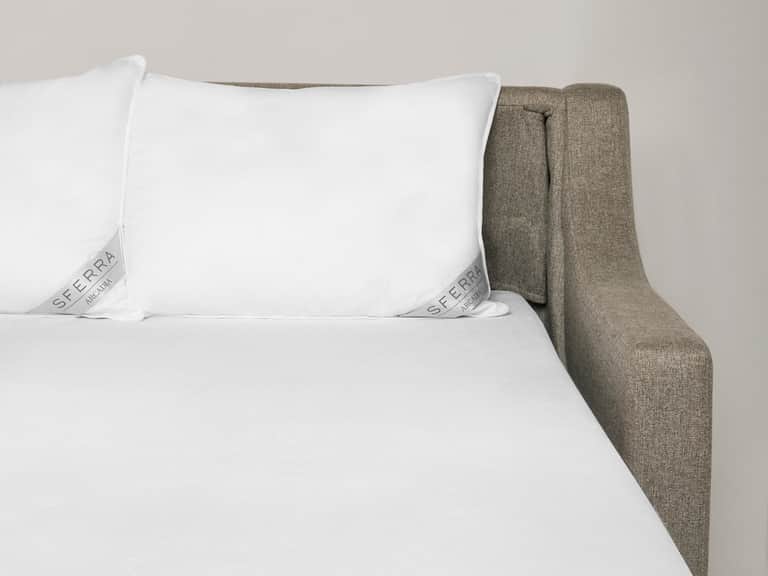
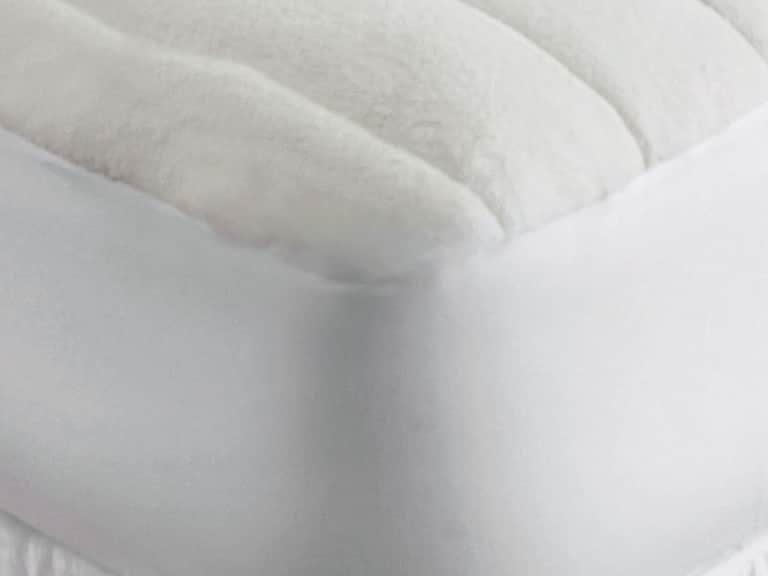
Mattress protectors and pads are essential for preserving mattress longevity and maintaining a clean sleep surface. They provide a barrier against liquids, allergens, and spills while adding a layer of softness or firmness as needed. Understanding materials, weave, and fill can help match the protector to individual sleep preferences and care requirements, ensuring comfortable, healthy rest.
Common materials include cotton, polyester, and blends, each offering different breathability and moisture-wicking properties. Quilted designs often incorporate thin padding to enhance comfort without altering mattress contour. For allergy-prone sleepers, hypoallergenic covers and breathable fabrics minimize irritation while supporting a cooler, drier sleeping environment throughout the night.
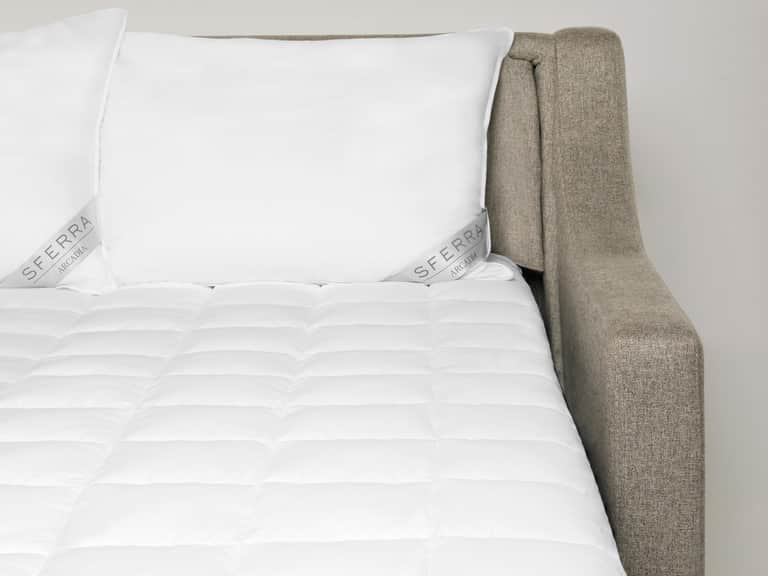
In this category, notable products such as the Arcadia Comfort Sleeper Mattress Pad combine a thin padding with a stretchable, breathable cover to preserve mattress shape and reduce motion transfer. The DownTown Company Comfort Quilted Mattress Pad adds a quilted layer for a plush feel while maintaining a low profile that won’t alter sleep surface height excessively.
Key features to consider include waterproof or water-resistant layers, machine-washable construction, and stain resistance. Pad construction may involve box stitching to prevent shifting of fill, and elasticized corners or fitted edges to secure the protector without creating gaps. Proper fit is important to ensure full coverage and uninterrupted airflow beneath the user’s body.
Use cases for mattress protectors and pads span everyday sleeping, overnight guests, and seasonal bedding adjustments. They help guard against accidents, skin sensitivities, and sweat, contributing to a cleaner sleeping environment. By selecting appropriate fits and fabrics, sleepers can sustain mattress comfort levels, preserve warranty conditions, and maintain optimal hygiene over time.
 Bedding