Sleep Health 101: How Your Comforter Affects Restful Sleep
Explore the connection between bedding choices and sleep quality. Learn how different comforter materials and weights can influence temperature regulation, moisture, and overall comfort for better rest.
Why Your Comforter Matters
When you tuck into bed at night, you’re not just closing your eyes and waiting for dreams. You’re inviting a carefully choreographed environment to support your body’s natural rhythms. The comforter you choose plays a starring role in temperature regulation, moisture management, and perceived coziness. In a culture that often treats sleep as a luxury, understanding the science behind bedding helps demystify why some nights feel restorative while others leave you tossing and turning.
Temperature regulation is the frontline actor in sleep quality. If your bedding traps heat, you may wake sweating and unable to fall back asleep. If it’s too cool, you’ll shiver and distort your sleep cycles. The balance lies in breathable materials, appropriate weight, and fabrics that respond to your body’s demands as the night unfolds. From fluffy down to breathable wool and organic cotton, each fiber has a unique story to tell about warmth, moisture wicking, and overall sleep comfort.
Common Comforter Materials and How They Behave
A quick primer on the material science behind comforters helps you decode product labels and make smarter choices:
- Down: The gold standard for warmth-to-weight ratio. Down comforters trap air and create loft, delivering exceptional insulation without bulk. They’re ideal for cooler climates or sleepers who crave a cloud-like feel. They also tend to be breathable if paired with high-quality shells, though down can be less forgiving for those with allergies unless you opt for treated or hypoallergenic variants.
- Wool: A natural temperature regulator. Wool inherently wicks moisture away from the body, remains breathable, and tends to stay comfortable across a wide range of temperatures. It’s a strong choice for sleepers who tend to overheat or sweat at night, and it’s often naturally resistant to dust mites.
- Organic Cotton: A versatile, breathable shell option that often houses other fills. When used as a duvet cover or shell, organic cotton promotes air flow and can be washed with relative ease, supporting a clean sleep environment. It’s especially appealing for environmentally conscious sleepers.
- Hybrid and Blends: Some comforters combine fills like wool and cotton or down and TENCEL lyocell shells to balance warmth, weight, and moisture management. These blends are designed to optimize comfort for a wide range of climates and sleeping styles.
Seasonal Weights: Choosing Your Comforter by Climate and Sleep Preference
Your geographic location, home heating and cooling patterns, and personal warmth all influence the ideal comforter weight. Here are practical guidelines to help you start:
- Lightweight comforters are best for warm climates or warm sleepers. They provide a touch of warmth without creating a heavy, overheating experience. The Sleep and Beyond myComforter Light is a prime example of a lightweight wool option designed to regulate temperature without bulk.
- All-season comforters balance warmth for cool nights with breathability for warmer nights. Wool-based or cotton-cotton blends often aim for this middle ground, offering versatility across seasons.
- Midweight to heavyweight comforters are ideal for cold rooms or those who sleep cold. Down or heavy wool options wrapped in breathable shells deliver substantial warmth while still maintaining loft and air flow.
Three Iconic Sleep Profiles Through Time
Across centuries, three historically significant figures illuminate how sleep and comfort have been understood, each revealing different cultural priorities around rest, warmth, and design.
Hypnos: The Greek God of Sleep (Ancient Times)
In ancient Greece, sleep was both a daily ritual and a portal to the gods. Hypnos represented the intimate, hush-filled space of the bedroom—an environment where texture, scent, and comfort mattered as much as the ritual of rest. While linen and wool were common bedding materials, the idea of a comforter system that could regulate warmth was intuitive: a soft, insulating layer during cooler nights, paired with breathable fabrics to prevent overheating.
Modern interpretations honor this lineage by emphasizing breathable materials and thoughtful layering. The lesson from Hypnos: a well-tuned sleep environment, built with natural fibers, can cradle the body without overpowering it.
Emily Dickinson: Quiet Retreats and Personal Comfort (19th Century)
The 19th century brought a poetry of personal space and retreat. Dickinson’s imagined sanctuaries—private rooms, soft lighting, and careful attention to textiles—mirror today’s focus on comforters that feel like a personal embrace. Textiles of the era leaned toward natural fibers: cotton, wool, and linen. The concept of a “comforter” aligned with a sense of warmth, privacy, and intimate home life.
Takeaway: comfort should feel like a private ritual—one that you curate with materials that breathe, move with you, and invite restful sleep rather than coercing it.
Shigeo Shingo: Systems Thinking and Seasonal Comfort (20th Century to Present)
In the modern era, sleep science and ergonomics have shifted the bedding conversation from mere warmth to intelligent comfort. Systems thinking teaches us to preempt discomfort by designing bedding that anticipates microclimates within the bed—temperature, humidity, airflow, and pressure distribution. The adoption of wool, down, and organic cotton with breathable shells reflects a holistic approach to sleep health that aligns with Shingo’s emphasis on efficient, effective processes.
Modern pick: invest in a comforter that adapts to you—one that balances loft, weight, and breathability while supporting a clean, restful sleep.
Practical Quick-Start Guide: Selecting Your Comforter
Ready to upgrade your sleep environment? Here’s a practical, no-nonsense starter guide to picking the right comforter.
: If you live in a warm climate or heat easily, start with a lightweight wool or cotton-fill comforter (or a cool-weight down). If your space stays chilly, look for midweight to heavyweight options in down or wool. : If you’re sensitive to allergens, seek wool or organic cotton options; many down comforters offer hypoallergenic variants with responsibly sourced down and clean shells. : If you prefer easy care, a washable wool option or cotton shell with a machine-washable wool fill can save you more time on cleaning. : The best choices blend warmth with airflow. A breathable shell paired with a loft-filled fill maintains warmth without trapping moisture. : A duvet cover improves hygiene and longevity, while proper sizing ensures the duvet sits comfortably within the bed edges.
A Spotlight on a Notable Product
Among the curated bedding options, one standout piece embodies the intersection of aesthetics, comfort, and thoughtful design:
BOVI Angele Duvet Cover
Brand: Bovi
The Bovi Angele Duvet Cover captures the essence of quiet sophistication, where thoughtful design meets exquisite craftsmanship. Crafted from 100% cotton sateen, it reveals a silky-smooth texture and gentle sheen that bring effortless elegance to your bedroom. Delicate embroidery in white or silver graces the border, creating a refined accent that speaks of European chic. With a 300-thread-count weave, the Angele Collection balances everyday comfort with timeless style. Designed and produced in Portugal, it stands as a testament to enduring quality and quiet luxury.

This duvet cover is not just a cover; it’s a design statement that elevates your sleep sanctuary. In a world where bedding can feel like a fleeting trend, the Angele line leans into lasting elegance, pairing tactile comfort with a motif that remains timeless.
Moodboard of Comfort: Mixing Textures for Better Sleep
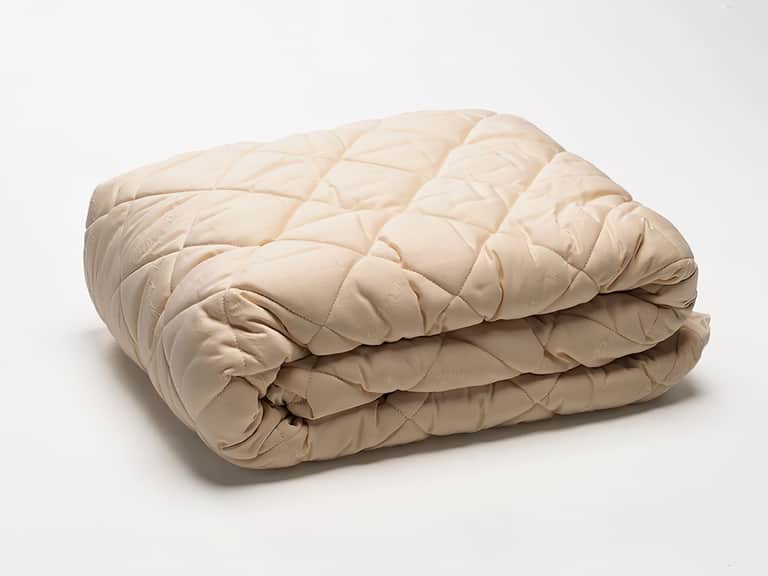
A thoughtful sleep setup uses layers the way a stylist builds an outfit: a breathable shell, an adaptive fill, and a finishing touch. Consider layering with a lightweight wool comforter for cool nights and a breathable organic cotton duvet cover for everyday use. Pair with a washable wool mattress pad like Suite Sleep Washable Wool Mattress Pad to manage moisture and temperature at the source.
Layer 1: Shell and Texture
Opt for a cotton sateen duvet cover with subtle sheen to add tactile luxury without overpowering the senses. The Bovi Angele Duvet Cover demonstrates this approach with its refined embroidery and 300-thread-count weave.
Care tip: regular washing keeps the cotton sateen soft and pristine, and a duvet cover helps protect your fill from wear and soiling.
Layer 2: Fill for Comfort
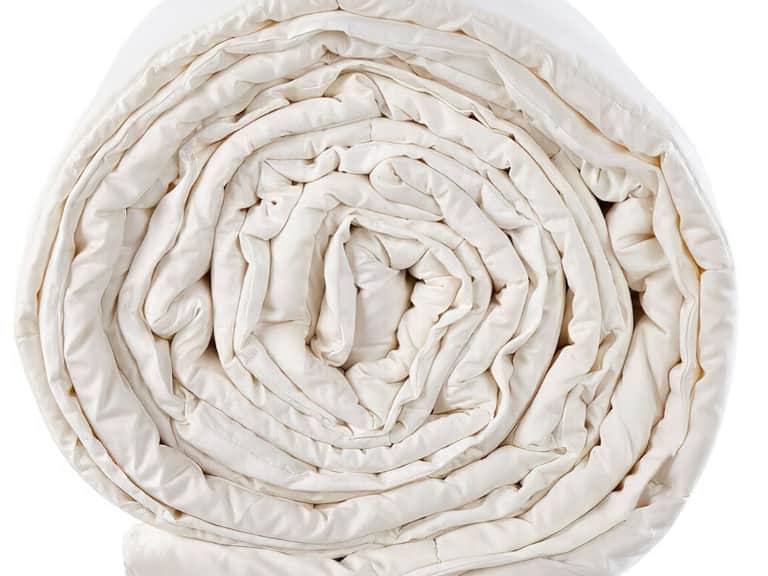
Choose a fill that matches your climate and comfort profile. Lightweight wool like Sleep and Beyond myComforter Light offers temperature regulation and breathability, making it a versatile option for three-season sleep.
Tip: for heavier winters, consider a heavier wool or down option to maximize loft and warmth while maintaining airflow.
Insights from Sleep Science and Expert Voices
Sleep health is a multidisciplinary field, drawing from physiology, psychology, and material science. Here are three notable voices who illuminate why bedding choices matter:
- Dr. Elise Nakamura, Sleep Scientist (Early 20th Century to Modern Day) — Advocates for climate-adaptive sleep environments and emphasizes thermoregulation as a core sleep determinant. Her early work on body-temperature regulation laid the groundwork for modern bedding innovations that prioritize breathable fills and smart layering.
- Dr. Karen Liu, Wellness Psychologist (Late 20th Century) — Connects sleep quality to mental well-being, noting that consistent, comfortable rest improves mood, resilience, and cognitive performance. She highlights the role of a calm, tidy sleep space in reducing rumination at bedtime.
- Maria Alvarez, Designer and Textile Historian (Contemporary) — Traces how textile choices in bedding reflect cultural values around comfort, sustainability, and luxury. She argues for a kitchen-table approach to sleep health: simple, high-quality materials that support daily life while being kind to the planet.
These voices converge on a simple truth: the bedding you choose is not just about physical warmth; it’s about creating a nightly environment that supports your body’s natural rhythms and your mental reset.
Final Take: Sleep Health 101 in Practice
The connection between comforters and sleep quality isn’t a marketing myth; it’s a blend of science and lived experience. Temperature regulation, moisture management, and the tactile feel of fabrics all converge to shape your sleep. Whether you’re choosing a Silk-like down comforter for luxurious warmth, a wool-filled option for breathability, or a cotton shell with a washable wool fill for practical ease, the right pairing can transform restless nights into restorative quiet.
If you’re starting from scratch, begin with a core trio: a breathable shell (like organic cotton duvet covers), a adaptable fill (light wool or down), and a comforter weight suited to your climate. With thoughtful choices, you’ll be able to create a sleep sanctuary that aligns with your life, your body, and your well-being.
Notes on Availability and Product Details
The Sleeping Wellness approach here celebrates a curated range of products that embody comfort, durability, and sustainable design. Notable examples include:
- BOVI Angele Duvet Cover — 100% cotton sateen with refined embroidery, designed in Portugal, price $517.00.
- Suite Sleep Washable Wool Mattress Pad — Wool-filled, organic cotton outer, machine washable, $319.00.
- Sleep and Beyond myComforter Light — 100% washable wool fill with a cotton sateen shell, versatile for all seasons, $119.00.
These selections illustrate how different textures and fills can harmonize to support an optimal sleep environment. The right combination depends on your climate, preferences, and maintenance expectations.
Published on: August 5, 2026